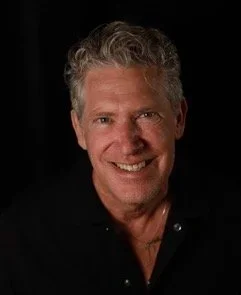
I’m excited, energized, and genuinely grateful to step into the role of Founding Executive Director of Triangle Care Management. I had the opportunity to know Richard Bass and hear his vision for TCM when it was just an idea. It has been wonderful to see that vision become an organization that is already making a meaningful difference in the lives of LGBTQ+ older adults and people living with disabilities. Six months ago, I was fortunate to join TCM's board of directors, and now I have the privilege of building on the incredible work already accomplished, strengthening the organization, expanding its reach, and taking it even further. It's an opportunity I don't take lightly, and one I couldn't be more excited about.
Richard deserves special recognition. His vision, determination, and commitment made TCM possible. My responsibility is to honor that legacy, stay true to the mission, and help strengthen the organization so it can reach more people and make an even greater difference in our community.
And the need is real.
Research has documented significant health disparities affecting LGBTQ+ people. A 2024 study published in JAMA, following a large group of female nurses, found that lesbian participants died an estimated 20% sooner than heterosexual participants, while bisexual participants died an estimated 37% sooner. These findings are specific to the study population, not predictions for every LGBTQ+ person, but they are difficult to ignore. [1]
Other national research has identified differences in the prevalence of certain chronic conditions. A CDC study using 2013 data found higher rates of arthritis and hepatitis among gay and lesbian adults than among heterosexual adults, and higher rates of COPD among bisexual adults. Importantly, the study did not find an overall difference in multiple chronic conditions by sexual orientation. [2]
These findings do not mean that being LGBTQ+ causes poorer health. They underscore the importance of addressing the effects that discrimination, chronic stress, barriers to healthcare, and unequal access to affirming services can have over a lifetime.
Closer to home, the 2026 Coachella Valley LGBTQ+ Quality of Life Study tells us what many in our community already know. Among more than 1,300 local respondents, 61% identified health and wellness as important to quality of life, 56% cited personal autonomy, and 54% identified the ability to meet basic needs. The study also highlighted concerns among older LGBTQ+ adults about housing affordability, social isolation, access to affirming healthcare, and maintaining independence as care needs increase. [3]
This is why TCM exists: to help close the gaps between the services people need and the support they can actually access.
Our work focuses on three connected priorities:
Care Management and Advocacy
Navigating healthcare, benefits, housing, and community services can be overwhelming. Our Care Management Navigators help people understand their options, coordinate services, advocate for their needs, and connect with providers and resources that respect who they are. One of my most important goals is to double our capacity to provide Care Management Navigators within the next 12 months. More navigators mean more people with someone in their corner when it matters most.
Community and Connection
Through programs like Embracing Aging and Lesbians Embracing Aging (LEA), we create opportunities for friendship, peer support, education, and meaningful connection. Aging well isn't just about medical care. It's also about having people in your life who know you, value you, and show up.
Affirming Housing
We will continue working toward housing options where LGBTQ+ older adults can live safely, affordably, and with dignity. That includes exploring community care residences, shared housing, and other supportive models that offer more than a roof over someone's head. They offer security, connection, and a place to call home.
At the heart of all three priorities is culturally competent care. In plain English, that means understanding that people's identities, relationships, histories, and experiences matter. It means respecting chosen family, using the right names and pronouns, and ensuring that no one has to explain or defend who they are before receiving help. It is not an extra feature of good care. It is part of good care.
Be Part of What Comes Next
Of course, big plans require more than enthusiasm (although I have plenty of that!). They require committed partners, volunteers, community involvement, and sustainable financial support.
There are many ways to help shape TCM's future. You can share our work, make a referral, volunteer your time or expertise, become a community partner, or make a financial contribution. And if you believe in what we're building, I encourage you to consider joining the Richard Bass Legacy Circle. Recurring gifts provide the dependable support that helps us plan ahead, expand services, and reach more people. Every contribution matters, and every person who gets involved helps move this mission forward.
I’m looking forward to working alongside this community and seeing what we can accomplish together. We have meaningful work ahead, and I’m ready to get started. The measure of our success won't be how much we say we want to accomplish. It will be how many lives we make safer, healthier, more connected, and a little easier to navigate.
Because growing older is something we all have in common. Having someone in our corner should be, too.
References
1. McKetta, S., Hoatson, T., Hughes, L. D., et al. (2024). “Disparities in Mortality by Sexual Orientation in a Large, Prospective Cohort of Female Nurses.” JAMA, 331(19), 1638–1645.
https://doi.org/10.1001/jama.2024.4459
The study found that lesbian and bisexual participants in the Nurses’ Health Study II died an estimated 20% and 37% sooner, respectively, than heterosexual participants. Findings are specific to this cohort of women.
2. Ward, B. W., Joestl, S. S., Galinsky, A. M., & Dahlhamer, J. M. (2015). “Selected Diagnosed Chronic Conditions by Sexual Orientation: A National Study of US Adults, 2013.” Preventing Chronic Disease, 12, E192.
https://doi.org/10.5888/pcd12.150292
This study used 2013 National Health Interview Survey data. It identified differences in selected diagnosed conditions by sexual orientation; it did not find an overall difference in multiple chronic conditions.
3. Health Management Associates and The LGBTQ Community Center of the Desert. (2026). Coachella Valley LGBTQ+ Quality of Life Study: Findings and Recommendations.